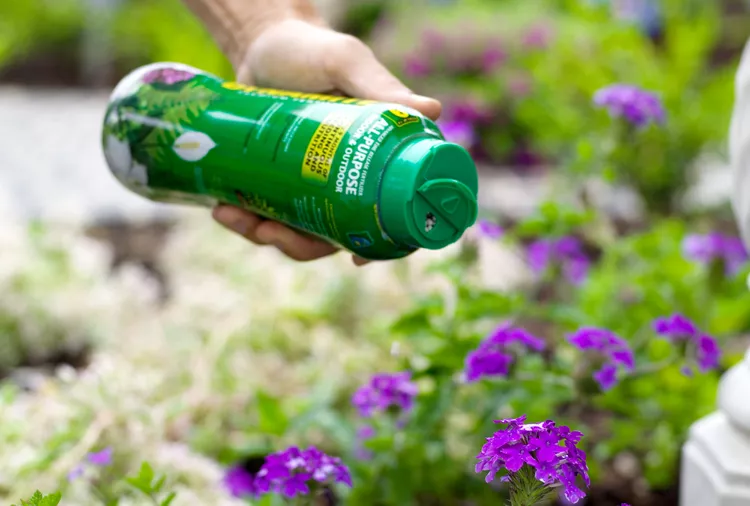
Does fertilizer go bad? That's a question every gardener may have wondered when dealing with half full liquid plant food containers and open bags of lawn fertilizer at the end of the growing season. But there’s no reason to toss these products in the trash or into your compost heap. Both organic and synthetic fertilizers have longer shelf lives than you might expect, but they do need to be stored properly to maintain their potency.
This guide will give you answers to all of your fertilizer storage questions, along with essential tips on how to maintain the quality of leftover fertilizer. After all, if you use up the fertilizers you already have, you can save a lot on your gardening budget and slash garden waste too.
How Long Does Fertilizer Last?
Most fertilizers don’t go bad when they’re stored properly and they can be used for many years. Granular fertilizers, for instance, typically don’t have a set expiration date, while liquid fertilizers generally stay fresh for about 8 to 10 years.
An exception to this rule are lawn fertilizers that contain weed killers. While the fertilizers in lawn care products may still be effective after several years, herbicides typically have a shorter shelf life, so manufacturers generally recommend that lawn fertilizers be disposed of after 1 to 2 years.
If you’re in doubt about the shelf life of your fertilizers, read through the storage instructions on the package label. If those instructions don’t list an expiration date, you can use your old fertilizers in next year’s garden.
Why Fertilizer Should Be Stored Carefully
While fertilizers usually stay fresh for years, fertilizers can go bad if they’re not stored in the right way. Improper fertilizer storage can sometimes attract pests, and granular fertilizers can become lumpy and difficult to apply if they get wet. Worse yet, fertilizers may leach away some of their nutrient content in moist environments and certain fertilizers can even become fire hazards if they’re stored near flammable chemicals. But although these problems are certainly troublesome, they can be avoided by following the simple fertilizer storage tips below.
How to Prevent Fertilizers from Going Bad
1. Store fertilizers indoors.
Both granular and liquid fertilizers can degrade when they’re exposed to the elements. So the single best thing you can do to keep your fertilizers fresh is to store them in a protected spot, such as in a dry potting shed, garage, or basement.
2. Separate products.
Certain fertilizers sometimes react with other products and these reactions can potentially cause fires. To avoid this, be sure to keep fertilizers away from other household chemicals, herbicides, and cleaning products, and clean up any spills as soon as you can.
3. Keep fertilizers in their original containers.
Whenever possible, it’s always wise to keep fertilizers in their original packaging. This will help you keep track of what fertilizers you have and you’ll be able to easily reference any application and storage instructions listed on the container.
4. Seal fertilizer containers.
Keeping fertilizer packages sealed when they’re not in use will limit spills and contamination. It will also help to prevent pest and humidity issues. If your fertilizer packages don’t seal tightly on their own, tape them shut or place them inside airtight containers or plastic bags when they’re not in use.
5. Monitor humidity levels.
High humidity can cause granular fertilizers to clump, which makes them difficult to use. Sealing fertilizers in airtight packaging is one way to lock out humidity, but if humidity is still a problem in your storage area, you may want to use a de-humidifier or move your fertilizers to a drier location.
6. Limit UV light exposure.
UV light from the sun or other source degrades the nutrients in certain fertilizers and reduces their effectiveness, while the heat from direct sunlight can make some fertilizers more flammable. To avoid this, always store fertilizers in a cool, dark place that’s out of direct sunlight.
7. Avoid temperature extremes.
While extreme heat can degrade fertilizers, freezing temperatures can also cause separation in liquid fertilizers and decrease their usefulness. However, if you store fertilizers in a protected spot, they won’t be as vulnerable to freezing temperatures or high heat.
8. Use a shelving system.
Storing fertilizers on the floor increases the chances that fertilizers will become damp and develop mold. Keeping fertilizers on sturdy storage shelves helps to increase air flow around your containers, limit humidity issues, and keep fertilizers safe from pests too.
9. Consider pests.
Not all fertilizers attract pests, but strongly scented organic fertilizers like fish emulsion, blood meal, and bone meal can occasionally draw in rodents and other critters. If you know there are pests on the prowl, keep fertilizers in rodent-proof containers, like metal storage tubs.
10. Protect fertilizers from kids and pets.
Of course, if you’re storing fertilizers indoors, always be sure to locate them out of the reach of pets and small children. Even organic fertilizers can pose health problems if they’re used improperly.
New