Raised bed gardening can be an excellent solution for properties with poor soil, drainage issues, and other problems. That said, creating and filling raised garden beds can be pricey—especially if you're making several beds at once. However, there are a few ways to provide plenty of rich, well-draining soil for vegetables, fruit, flowers, or herbs without breaking the bank. This guide will help you decide how to fill a raised garden bed without blowing your budget.
Pick and Prepare the Site
Raised bed structures are typically made of wood, but they can also be made with bricks, cinder blocks, stones, or galvanized metal. Regardless of the type of raised bed you choose, you'll need to do some prep work before filling the raised garden bed frame with soil.
Choose a level surface for the bed in a location with the right amount of light for the plants you plan to grow. Most vegetables require full sun to thrive, but some herbs, leafy greens, and ornamentals tolerate partial to full shade.
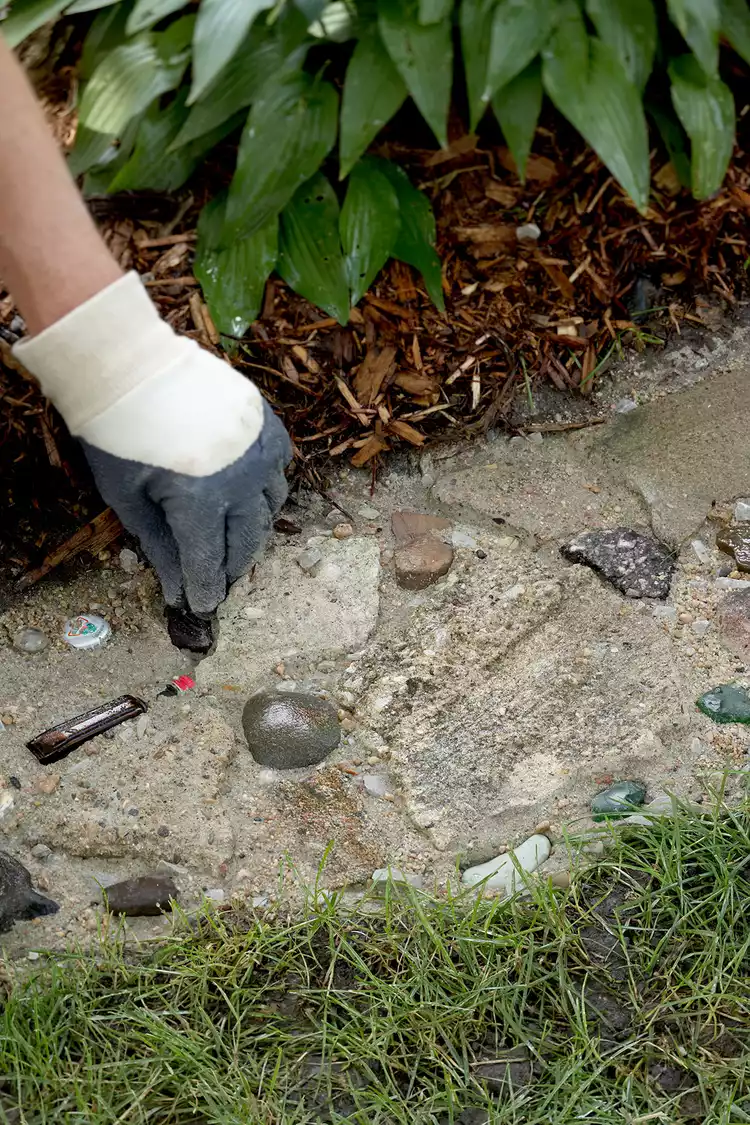
After selecting a location for your garden, remove any large stones and use a shovel to level out high areas. Place the raised bed frame in its resting spot and add several sheets of newspaper or cardboard to the bottom of the bed to block out weeds.
If you have a lot of burrowing pests in your garden, such as voles, you may also want to install some hardware cloth at the base of the raised bed before adding any soil or organic matter. This can keep critters from nibbling on your root vegetables later on.
How Deep Should Raised Beds Be?
The recommended depth of a raised bed depends on the types of plants you plan to grow. For example, some perennials, herbs, and leafy greens can grow in a 6-inch-deep raised bed, while root crops and larger veggies (like tomatoes) typically need beds that are at least 12 to 18 inches deep to accommodate their roots. Deep beds are pricier because they require more soil, but they also drain and retain water better than shallow beds, and they’re more ergonomic.
How Much Soil Do Raised Beds Require?
To find out how much soil you will need, calculate the soil volume in cubic feet by multiplying the length, width, and height of a raised bed structure. For instance, a 4-foot by 8-foot raised garden bed that’s 1 foot tall requires about 32 cubic feet of earth (4 x 8 x 1). However, there are ways to fill raised beds with organic matter so you don’t need to purchase as much soil.
Ways to Fill a Raised Garden Bed
Once your raised bed structure is installed, it’s time to start adding soil. These methods work well, depending on the size of the raised bed and the plants you plan to grow.
1. Fill a Raised Bed with Soil
Raised beds that are small and shallow (under 12 inches deep) are typically only filled with soil. Adding other organic materials to shallow beds usually isn’t a good idea. Sticks, twigs, and other materials further reduce the limited soil space and can interfere with plant root growth and water drainage. Small beds don’t need much soil, so they are less expensive to fill.
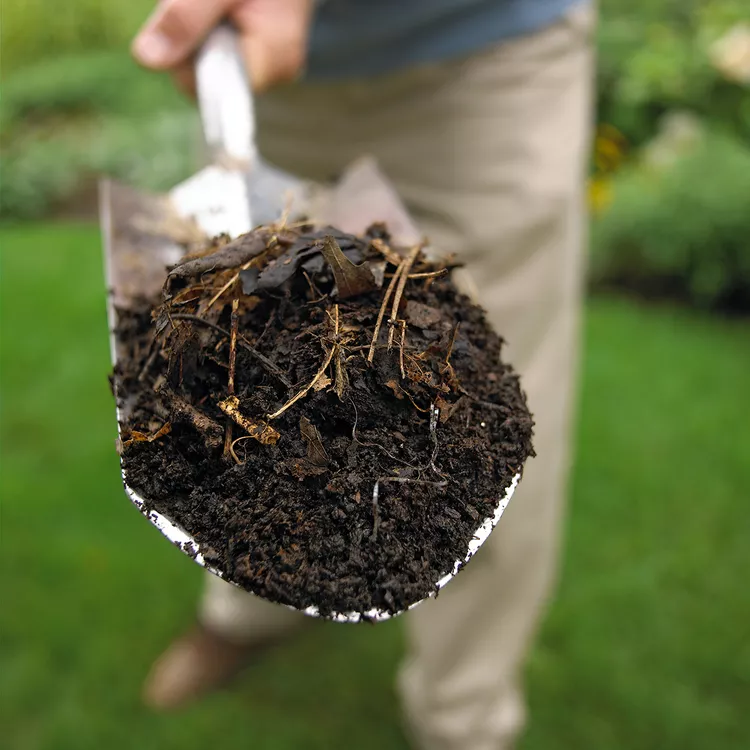
Bagged raised bed potting mix is commonly used in small raised beds, but you can purchase it in bulk from local landscape companies. Another option is to make your own potting mix by blending equal parts of topsoil, compost, and sand to create a quality mix that’s appropriate for most vegetables, herbs, and flowers.
2. Use the Lasagna Garden Method
Large raised beds are pricier to fill with only soil, so gardeners have found creative ways to fill them with other materials. The lasagna gardening method is usually used to create new in-ground gardens, but it can also be employed to fill a raised bed.
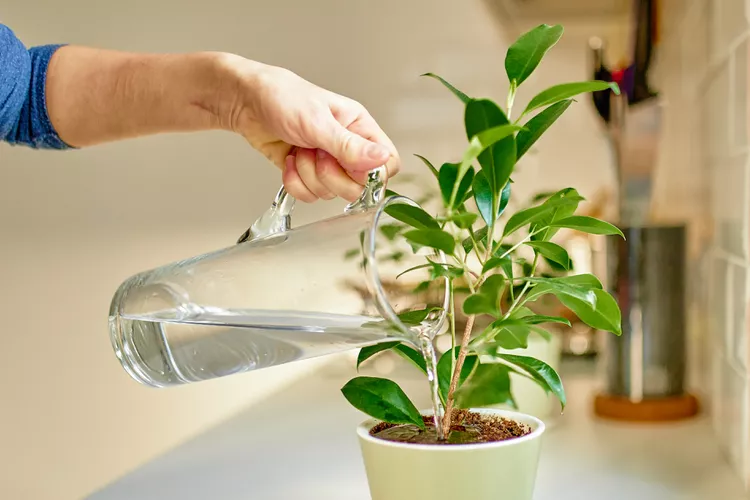
To start, lay down sheets of cardboard or newspaper for weed suppression and then fill the raised bed structure halfway up with alternating layers of nitrogen-rich materials (like kitchen scraps and grass clippings) and carbon-rich materials (like wood chips and dried autumn leaves). Watering the materials with your hose as you add them reduces air pockets and limits the amount of compaction that occurs later on. After the raised bed is halfway filled with organic material, fill the remainder of the bed with a raised bed potting mix.
Lasagna gardens are usually started in autumn to give the organic materials some time to break down before vegetables and flowers are planted.
Over time, you may notice that the soil line drops a bit as the organic materials degrade, but this can be remedied by adding more soil to the raised bed as needed.
3. Use the Hugelkultur Method
Hugelkultur mounds are frequently used in permaculture gardens, and they help plants grow better by retaining water and nutrients and boosting soil temperatures. However, hugelkultur can also be used to fill a large, raised bed and reduce soil use.
To use this method, lay down cardboard or newspaper for weed suppression, and then start stacking branches and logs in the base of your raised bed. As these materials break down, they’ll act as compost for plant roots and help raised beds retain water.
Hardwoods and softwoods that are beginning to decay are the best choices for hugelkultur because they break down quickly.
After creating a layer of larger logs and branches, layer smaller branches, twigs, grass clippings, and autumn leaves around the logs and press these materials into any air pockets you see. Adding water as you go also helps the materials compress. When the raised bed is about halfway filled with these larger items, fill the remainder with at least 6 inches of raised bed potting mix.
As with lasagna gardening, it’s best to create a hugelkultur bed in the fall to give the materials time to break down over the winter. You might need to add more soil occasionally as the organic material decays.
Materials You Shouldn’t Put in a Raised Bed Garden
Compost, seed-free plant debris, kitchen scraps, grass clippings, used coffee grounds, newspaper, weed-free straw, and other organic materials can be added to raised beds to fill space and reduce soil usage. However, some materials shouldn’t be included in raised beds, including:
- Garden soil may seem an obvious choice for filling raised beds, but garden soil usually doesn’t work well. Soil from your garden can be dense, and it becomes even more compact in a raised bed. Over time, this dense soil can impair water flow and stunt root growth.
- Plastic sheeting is sometimes added to the base of raised beds to block out weeds, but as plastic ages, it can become fragile and degrade into messy bits of plastic that tangle around plant roots. Cardboard and newspaper are better choices for suppressing weeds at the base of raised beds because they'll naturally break down and turn into soil.
- Rocks or gravel are sometimes added to raised beds to boost drainage, but this practice can create a false water table and impair water flow. Better options are to grade the soil around the raised bed away from your garden and ensure it has good drainage.
- Treated lumber is not a good option for filling garden beds. Most woods can be added to the base of raised beds to fill space, but make sure those woods aren’t treated or painted.
- Plant materials from allelopathic and water-resistant plants should not be used. Black walnut suppresses the growth of nearby plants, and cedar is naturally water-resistant. If you’re looking for materials to add to the base of a hugelkultur raised bed, it’s best to skip branches, twigs, and logs from these tree species.
New