Some gardeners grow moss intentionally as a low-maintenance groundcover or turf grass alternative. However, if you want to maintain a traditional grass lawn, moss may be the last thing you want invading your landscape. Here's how to get rid of moss in the lawn and keep it from coming back using all-natural and organic treatment methods.
What Causes Moss in Lawns?
While moss is easy to remove and doesn’t harm grass, moss overgrowth indicates that something is amiss in your lawn. Most often, moss occurs when the conditions in your lawn are not hospitable to the growth of grass, and grass plants die back, leaving room for opportunistic moss. This dieback may be due to:
- Soil pH issues
- Overly compacted soil
- Poor soil drainage
- Low light levels
Pet activity, pest problems, and mowing grass lawns too short can also affect grass health and increase the likelihood that moss will spread in your yard.
How to Get Rid of Moss in the Lawn
Unlike common lawn weeds, moss is impervious to most weed killers, which is why many people opt to kill moss in lawn with sprays formulated for moss. However, these moss-killing products come with their own set of problems, and they can be toxic to aquatic life, pets, and humans. The good news is there are plenty of all-natural ways to get rid of moss in lawn that won’t harm the environment.
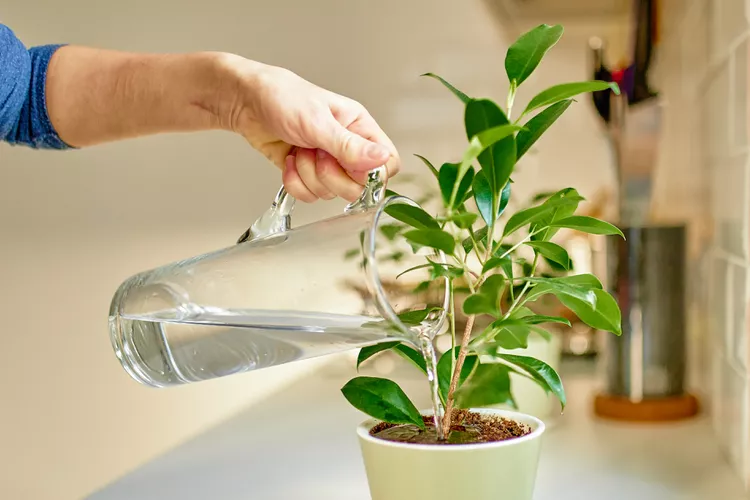
The fastest way to remove moss is with hand-pulling, raking, or using a lawnmower dethatching attachment. Because moss plants have shallow root systems, they usually come up with little effort. It is even easier to remove if you water it before hand-pulling or raking.
Moss can be removed at any time of the year, but you get the best results when you address moss problems while it is actively growing in spring or fall.
If you don’t want to remove moss by hand, you can kill moss with natural sprays made with 1 gallon of water and 2 ounces of gentle dish soap or 1 gallon of water and 8 ounces of baking soda. These sprays cause moss plants to die back without affecting the growth of grass. To use, apply the spray of your choice with a garden sprayer and wait a few days for the moss to turn brown or orange. Then rake up any dead moss you see and toss it in trash bags to prevent spores from spreading.
How to Prevent Moss from Regrowing
Hand-pulling, raking, or natural sprays are short-term solutions for moss problems. However, if you don’t address the underlying issues that are affecting your lawn, your grass will continue to struggle and moss will return.
To determine what’s ailing your grass, consider how much light your lawn receives throughout the day, assess the soil structure, soil drainage, and have your soil tested. After you know the conditions that are leading to moss growth, you can create a moss prevention plan that’s perfectly suited to your situation.
Improve Inadequate Light for Healthier Grass
Most types of grass require at least 6 to 8 hours of bright light daily. If grass doesn’t receive enough light, it gets thin and patchy and leaves room for moss to creep in. Pruning back trees and shrubs can increase light levels and help grass grow better. However, if you have a very shady lawn, you may want to swap out light-hungry grass for mulch or shade-loving groundcovers, or overseed lawns with clover that can grow in part shade.
Aerate and Amend Compacted Soil
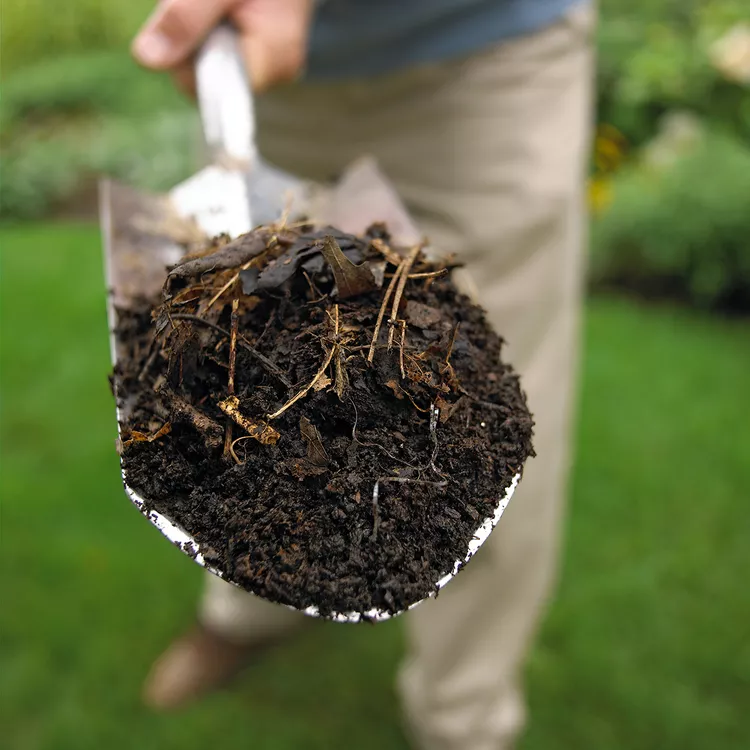
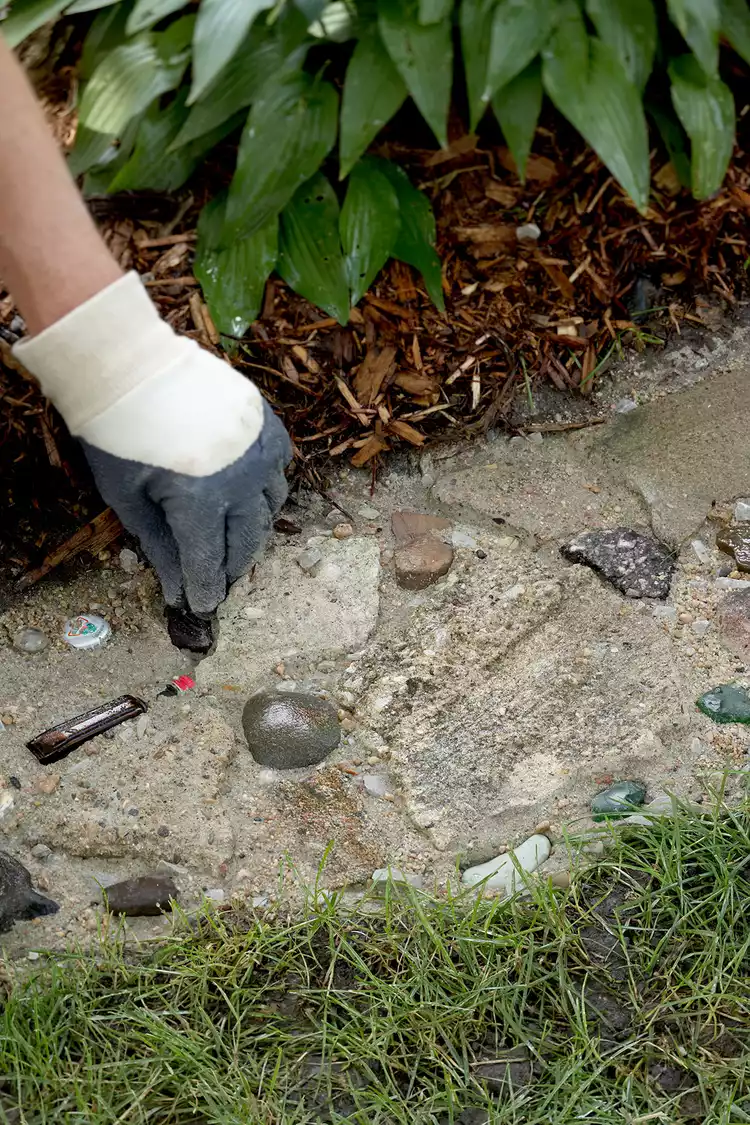
Too much foot traffic can cause compacted soil, limit the growth of grass roots, and result in sparse grass. Aerating the lawn annually loosens up compact soils, but soils that are rich in clay may also need to be amended with compost and other organic matter. You may also want to install garden walkways or stepping stones to reduce foot traffic and prevent further soil compaction.
Improve Drainage to Favor Grass Over Moss
Unlike grass, moss loves lots of moisture, and it can easily take over lawns that stay too wet. Filling in low spots with soil, installing a French drain, or grading can improve poorly draining spots and make landscapes more hospitable to grass. While you’re at it, consider dethatching your lawn to increase airflow around grass roots and install a rain gauge to make sure you don’t overwater your lawn.
Address pH Issues
Turf grass prefers soil pH levels around 6.5 to 7.0, while moss loves acidic conditions. A soil test is the best way to determine if your soil pH levels are too acidic for healthy grass. If they are, a fall application of garden lime may be in order.
Once you’ve addressed the lawn issues, your turf grass should bounce back quickly. However, moss (and other weeds) can still take advantage of bare soil if you let them. To avoid this, sow new grass seed or plant groundcover plants in any bare spots you see, and your grass lawn should look as good as new in no time.
New