Growing zucchini in pots is an excellent solution for urban gardeners looking to add more growing space to their small yard, patio, or balcony. Zucchini and the closely related crookneck and summer squash plants are larger than many other vegetables, but they can still be cultivated in small garden spaces with a roomy pot and a bit of care. These plants are so productive that you may only need one or two zucchini plants to provide your family with all the fresh zucchini they need.
Use these 10 container gardening tips to grow zucchini plants in pots, from seed to harvest.
1. Find a Sunny Location
Zucchini are full-sun plants that need at least six hours of bright light daily, although they grow even better with eight to 10 hours of sun. When selecting a spot for your container garden, choose an open area unobscured by tall trees or buildings. Growing locations should be sheltered from strong winds if possible, so pollinators won’t be blown about while they’re pollinating zucchini flowers.
2. Select the Right Type of Zucchini
The two main types of zucchini are bush-type zucchini and vining zucchini. Both zucchini varieties can be grown in pots. However, bush-type zucchinis, such as ‘Cue Ball’ and ‘Bush Baby,’ are usually better for container growing. Vining zucchini plants can also be grown in container gardens, but they need trellises or cages to support their trailing stems.
3. Choose a Roomy Growing Container
Although smaller, bush-type zucchini typically don’t need trellising, both vining and bush zucchini need spacious pots to accommodate their extensive root systems. Grow bags, terra-cotta pots, and food-safe plastic buckets at least 5- to 10-gallons in size or 18 inches wide can be used to grow a single zucchini plant. Make sure that your container has plenty of drainage holes so the zucchini plants don’t develop root rot.
4. Know When to Plant
Zucchini can be grown from nursery starts or seeds, but these heat-loving crops should not be planted outdoors until the danger of frost has passed and soil temperatures are around 60°F. If you want to grow zucchini from seeds, it’s usually best to directly sow seeds outdoors about two weeks after the last frost date in spring. Fortunately, zucchini grows quickly, so gardeners in chilly climates should still have plenty of time to grow and harvest zucchini, even if they don’t start their plants until mid-to-late spring.
5. Use a Rich Potting Mix
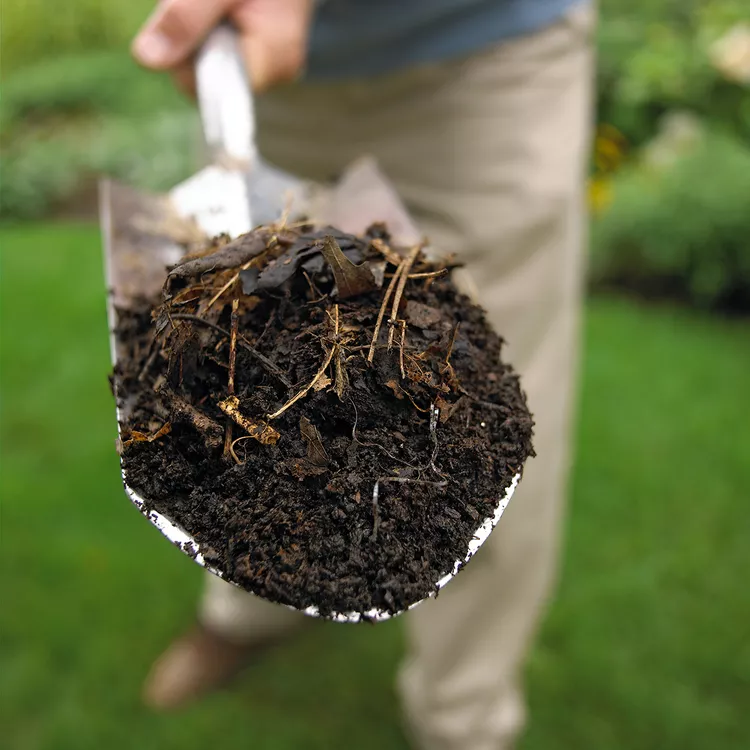
Like squash and melons, zucchini are heavy-feeding plants that need lots of nutrients. Start the growing season off right by filling your growing containers with a lightweight, well-draining, soil-free potting mix amended with compost or aged manure. If your potting mix doesn’t already contain fertilizer, you can also add some slow-release, organic fertilizer.
6. Plant Zucchini the Right Way
If you’re growing zucchini from seeds, plant two to three seeds in the center of your growing container, burying the seeds with about 1 inch of potting mix. Keep the soil evenly moist until the seeds sprout and develop several sets of true leaves. Then, thin the seedlings, leaving just one plant per 5-to 10-gallon pot. Use scissors to cut off the weakest seedlings at the soil line to avoid disturbing the remaining plant’s roots.
7. Water Often
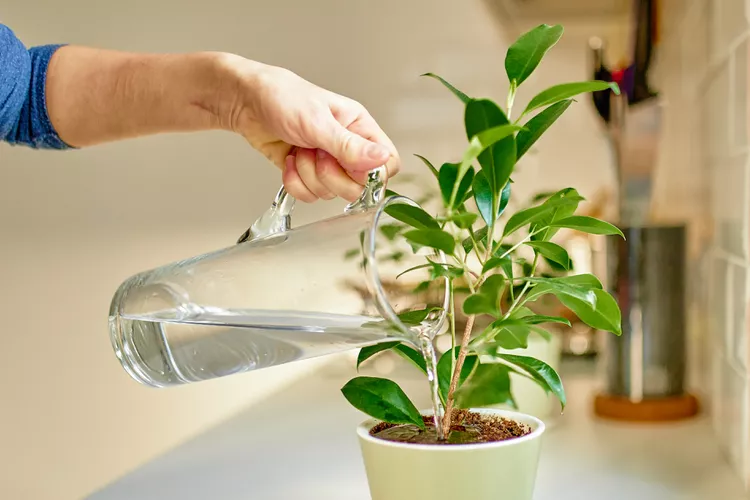
Zucchini must be watered regularly and deeply with 1 to 2 inches of water per week. Uneven watering can cause problems like blossom end rot, so you may want to grow zucchini in self-watering planters, install a drip irrigation system, or mulch around the base of your plants to keep the soil from drying out quickly. When watering, always direct the water flow toward the base of your plants to keep leaves dry and mildew-free.
8. Fertilize as Needed
Adding slow-release fertilizer or compost to your potting mix at planting time gives zucchini a jump start on the growing season. If you want a large harvest of zucchini, also fertilize these hungry plants once a month with an organic, liquid fertilizer. Balanced or high-phosphorus fertilizers intended for tomatoes work especially well for growing zucchini, while high-nitrogen fertilizers tend to produce lots of leaves and minimal fruit.
9. Try Companion Planting
Zucchini plants require insect pollinators to set fruit. However, if insects don’t visit your plants, you may end up with a lot of zucchini flowers and no zucchini. Planting companion plants like nasturtiums, marigolds, dill, and borage near zucchini helps attract bees and other insects to ensure the plants are pollinated. If you place small, scented herbs, such as chives and dill, near zucchini, pest insects are also less likely to visit.
10. Harvest Regularly
Zucchini can be harvested about 45 to 55 days after planting or when the fruit measures 6 to 8 inches long. Huge zucchini may look impressive, but they have tough skins and aren’t as tasty. Picking zucchini regularly makes the plants even more productive. Use a sharp knife to cut zucchini stems from the vines so you don’t accidentally damage your plants.
New