When it comes to bulbs flowers gardening, one of the most frustrating issues gardeners face is dealing with rabbits. These cute yet pesky creatures have a penchant for munching on bulbs, often devouring them before you even have the chance to plant them. But fear not, as there are several effective strategies you can employ to safeguard your precious flower bulbs.
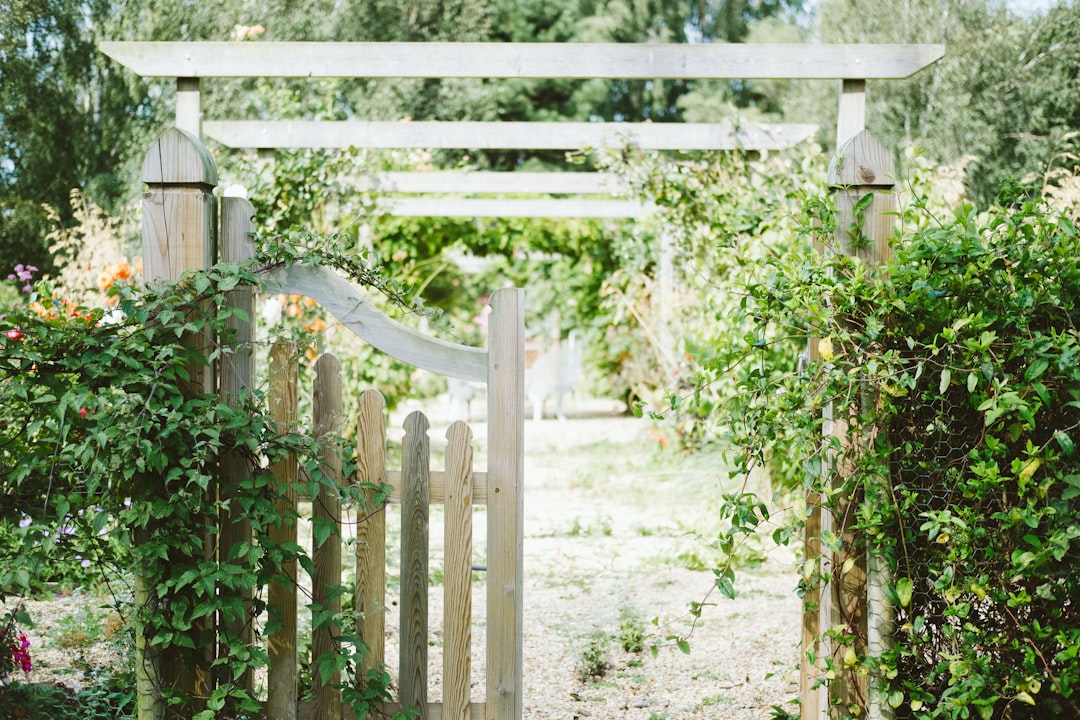
First and foremost, fencing is a tried - and - true method for keeping rabbits at bay. A well - constructed fence can act as a physical barrier, preventing rabbits from accessing your bulb storage area. The fence should be at least two feet high and buried several inches into the ground. This is because rabbits are adept at digging under obstacles. You can use materials like chicken wire or hardware cloth. Chicken wire is relatively inexpensive and easy to install. It comes in various gauges, and a 1/2 - inch or 1 - inch mesh size is ideal for keeping rabbits out. Hardware cloth, on the other hand, is more durable and long - lasting. It is made of galvanized steel and can withstand the elements better than chicken wire. When installing the fence, make sure it is taut and free of any gaps or holes that rabbits could squeeze through.
Mesh is another useful tool in protecting your bulbs. You can use mesh covers for individual containers or larger storage areas. For example, if you store your bulbs in crates or boxes, covering them with a fine - mesh netting can prevent rabbits from reaching the bulbs. The mesh should be tightly secured around the container to ensure that rabbits cannot lift or chew through it. Some gardeners also use mesh to cover the ground where they plan to plant the bulbs. This can be especially effective in preventing rabbits from digging up newly planted bulbs. The mesh can be laid over the soil and then covered with a thin layer of mulch to make it less visible and more aesthetically pleasing.
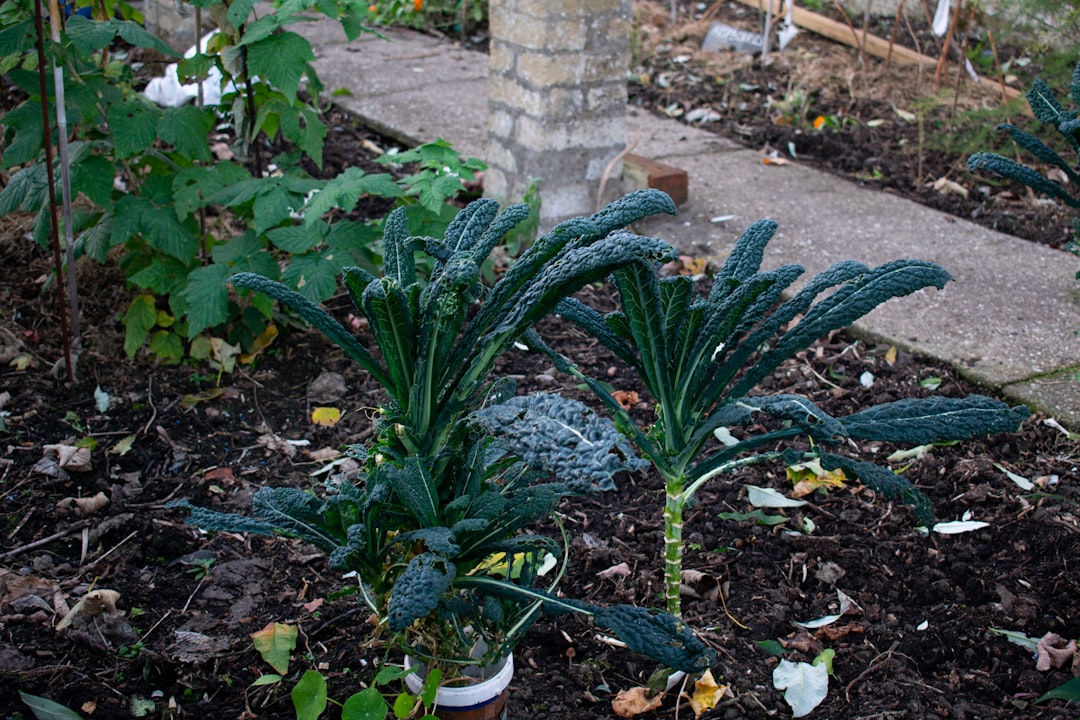
Mulching is not only beneficial for the health of your bulbs but also serves as a deterrent for rabbits. A thick layer of mulch can make it difficult for rabbits to dig and access the bulbs. Organic mulches such as straw, wood chips, or shredded leaves are excellent choices. Straw is lightweight and easy to spread, and it provides good insulation for the bulbs. Wood chips, on the other hand, are more durable and can last longer. They also add a natural look to your garden. Shredded leaves are a great option as they are readily available and can be easily composted at the end of the season. When applying mulch, make sure to cover the entire area where the bulbs are stored or planted. A depth of 2 - 3 inches is usually sufficient to discourage rabbits.
In addition to these physical barriers, there are also some natural repellents that you can use. For example, some plants have strong scents that rabbits find unappealing. Planting onions, garlic, or chives near your bulb storage area or in your garden can help keep rabbits away. These plants can be interspersed among the bulbs or planted in a border around the area. Another natural repellent is predator urine. You can purchase predator urine from garden centers or online. Spraying the urine around the perimeter of your bulb storage or planting area can create the illusion of a predator presence, scaring rabbits away. However, it is important to re - apply the urine regularly, especially after heavy rain.
Proper storage of your bulbs is also crucial. Store your bulbs in a cool, dry place that is not easily accessible to rabbits. You can use sealed containers or storage bins to keep the bulbs safe. Make sure the containers are made of a material that rabbits cannot chew through, such as plastic or metal. Label the containers clearly with the type of bulbs and the planting instructions. This will not only help you keep track of your bulbs but also ensure that they are stored under the right conditions.
When it comes time to plant your bulbs, choose a location that is less attractive to rabbits. Avoid areas near thick vegetation or areas where rabbits are known to frequent. If possible, plant your bulbs in raised beds. Raised beds are more difficult for rabbits to access, and they also provide better drainage for the bulbs. Before planting, soak the bulbs in a solution of water and a natural fungicide. This can help prevent diseases and also make the bulbs less appealing to rabbits. After planting, cover the area with a layer of mulch to protect the bulbs from rabbits and to retain moisture in the soil.
Regular monitoring of your bulb storage and planting areas is essential. Check for any signs of rabbit activity, such as chew marks, burrows, or missing bulbs. If you notice any signs of rabbits, take immediate action. You may need to reinforce your fence, add more mulch, or re - apply the natural repellents. By being vigilant and proactive, you can ensure that your bulbs are protected from rabbits and have a better chance of thriving in your garden.
In conclusion, protecting your flower bulbs from rabbits is an important part of bulbs flowers gardening. By using a combination of fencing, mesh, mulching, natural repellents, and proper storage and planting techniques, you can keep your bulbs safe and enjoy a beautiful display of flowers in your garden. Don't let rabbits ruin your gardening plans. Take the necessary steps to safeguard your bulbs and watch them bloom into a colorful and vibrant garden.