When it comes to gardening, annual flowers bring a burst of color and life to our gardens each year. One such popular flower that many gardeners adore is the zinnia. You might be wondering if these vibrant blooms will grace your garden again next year. Are zinnias perennials? Let's delve into the world of zinnias and find out how to enjoy these beautiful plants year after year.
Zinnias are typically classified as annuals. Annual plants complete their life cycle - from germination, growth, flowering, and seed production - within a single growing season. Once the first frost hits, they usually die off. However, this doesn't mean you can't have zinnias in your garden year after year. There are ways to ensure a continuous display of these lovely flowers.
One of the simplest ways to keep zinnias in your garden is through seed saving. When the zinnia flowers start to fade and dry out, they form seed heads. These seed heads contain numerous small seeds. You can carefully collect these seeds once they are fully mature. Store them in a cool, dry place over the winter. Come spring, you can sow these saved seeds directly into your garden or start them indoors in seed trays. This way, you'll have new zinnia plants growing from the seeds of the previous year's flowers.
Another option is to take advantage of the fact that zinnias are very easy to grow from seeds. You can purchase zinnia seeds from a local nursery or online. There is a wide variety of zinnia types available, including different colors, sizes, and shapes. Whether you prefer the classic single - flowered zinnias or the more elaborate double - flowered varieties, there's a zinnia for every gardener's taste.
When it comes to planting zinnias, they thrive in full sun. Choose a location in your garden that receives at least 6 - 8 hours of direct sunlight per day. The soil should be well - drained. Zinnias are not very picky about soil type, but they do best in soil that is rich in organic matter. You can amend your soil with compost or well - rotted manure before planting to provide the necessary nutrients for healthy growth.
Watering is also an important aspect of zinnia care. They need regular watering, especially during dry spells. However, be careful not to over - water them, as this can lead to root rot. A good rule of thumb is to water deeply once or twice a week, depending on the weather conditions. Mulching around the base of the zinnia plants can help retain soil moisture and suppress weed growth.
As the zinnias grow, you may need to provide some support, especially for the taller varieties. You can use stakes or cages to keep the plants upright and prevent them from falling over. Deadheading is another important practice. Removing the spent flowers encourages the plant to produce more blooms, extending the flowering period.
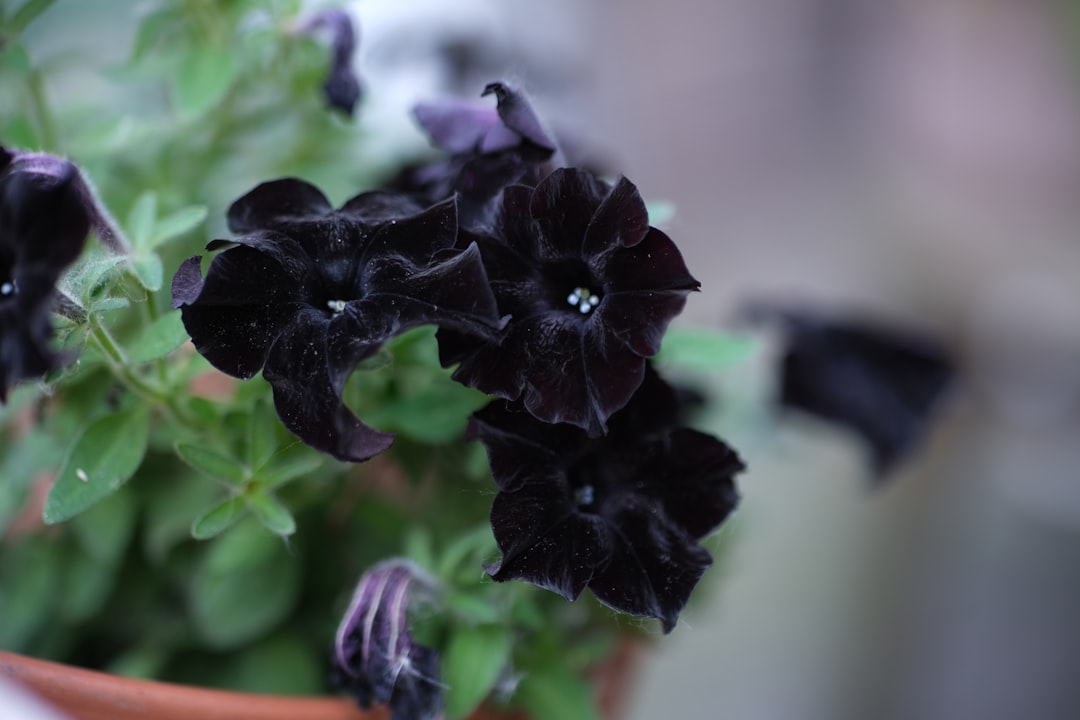
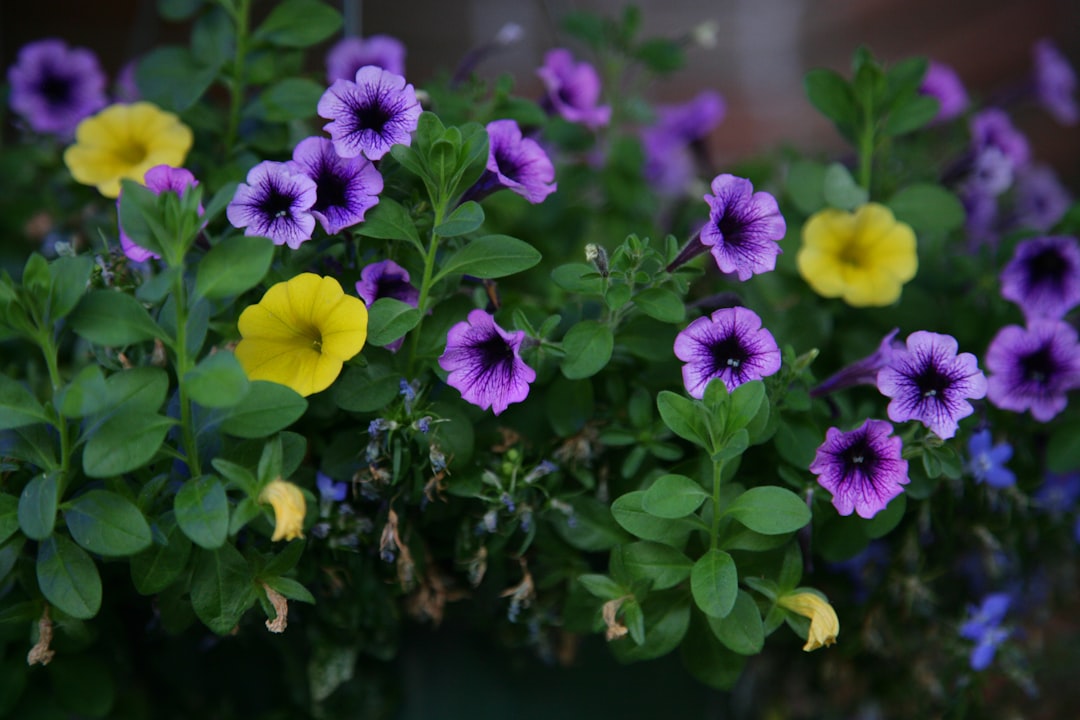
If you want to add a bit of variety to your zinnia garden, you can try interplanting them with other annual flowers. For example, marigolds and petunias make great companions for zinnias. They not only add more color to the garden but also attract beneficial insects such as bees and butterflies, which help with pollination.
In conclusion, while zinnias are annuals, with a little effort, you can enjoy their beauty year after year. By saving seeds, choosing the right planting location, providing proper care, and adding some companion plants, you can create a stunning zinnia garden that will be the envy of your neighbors. So, don't be discouraged by their annual nature. Embrace the opportunity to grow these wonderful flowers and make your garden a colorful paradise.