Haworthias are a popular type of succulent to keep as a houseplant. These plants come in a variety of eye-catching forms, are easy to grow, and can be quickly propagated to make new plants. In warmer parts of the U.S., haworthias can be left outdoors year-round. In colder regions, can be kept as houseplants that will do well even when neglected. Follow this guide to discover how you can grow your own healthy, thriving haworthias.
Haworthia Overview
| Genus Name | Haworthia |
| Common Name | Haworthia |
| Plant Type | Houseplant |
| Light | Part Sun, Sun |
| Height | 1 to 6 inches |
| Width | 1 to 10 inches |
| Flower Color | Green, White |
| Foliage Color | Blue/Green, Chartreuse/Gold, Gray/Silver |
| Special Features | Low Maintenance |
| Zones | 10, 11, 9 |
| Propagation | Division, Seed |
| Problem Solvers | Drought Tolerant |
Where to Plant Haworthia
Indoors, haworthias can be grown in any south-facing or west-facing window with good results. Outdoors, plant in full sun to part sun conditions away from foot traffic.
How and When to Plant Haworthia
Haworthias can be transplanted indoors any time of the year. They only need to be repotted into a larger-sized container when roots start to bulge out the sides of the existing pot or have begun growing out from the bottom of the pot.
Haworthia Care Tips
Light
Haworthias prefer to grow in full sun to part shade conditions and will become leggy and unhealthy if not given enough light. Indoors, give your plants a south-facing window or western window where they'll receive bright, indirect light. If these locations don't exist, grow lights can help to keep plants healthy and thriving.
Soil and Water
Haworthias won't tolerate sitting in too much moisture; they'll do best in well-draining, cacti and succulent potting mixes with low organic matter. Water your haworthias thoroughly and let the soil dry out completely between waterings to avoid root rot.
Temperature and Humidity
Native to South Africa, haworthias prefer seasonally dry and hot conditions with low humidity. However, they can handle a wide variety of conditions and still thrive. It's important that your haworthias stay dry and warm during cooler winter months and while not actively growing.
Fertilizer
Fertilize your hawothias only once or twice during the growing season with a cactus and succulent plant food. These plants don't require large amounts of nutrients and over-fertilizing can lead to complications such as mineral buildup on the roots.
Pests and Problems
Haworthias are hardy plants and can survive under less-than-ideal conditions for some time. The primary issue that you might encounter with them is root rot caused by over-watering and keeping the soil too wet between waterings. If plants do lose their roots due to root rot, discard old soil and allow for plants to dry. In new soil, set the base of the plants about a third of the way into the soil and allow for roots to regrow. Keep soil just barely moist during this time with occasional drying.
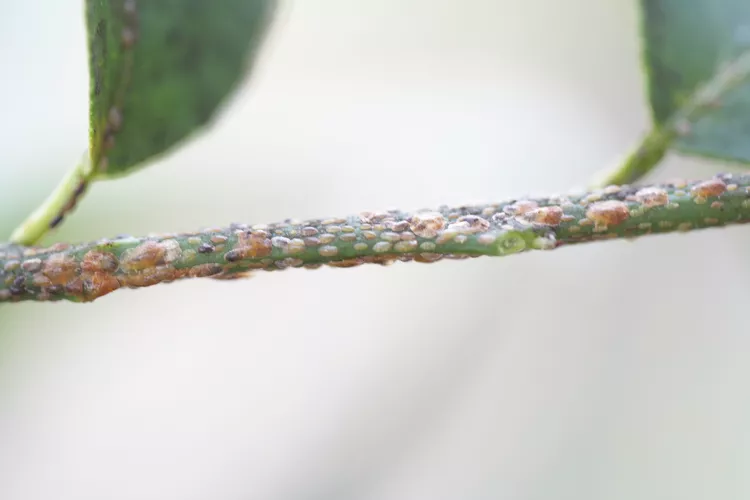
Haworthias might also get infestations of common plant pests such as mealybugs. To get rid of mealybugs, remove plants from the soil and spray them with insecticidal soap. Then wash thoroughly under a strong stream of warm water. Washing roots will also help eliminate any potential issues with mealybugs on the roots. Let plants dry and then replant in new potting soil.
How to Propagate Haworthia
Haworthias can be propagated by seed, but are most commonly grown from “pups” or offsets that grow from the mother plants. Offsets can be removed from the mother plant relatively early in their development by using a sharp knife at the connection point between the pup and the mother’s base. Allow offsets to dry and produce a callus on the cut end before planting it in a cactus and succulent mix.
Types of Haworthia
Haworthia limifolia
Looking something like a small, spiraled aloe, this haworthia has a deep green color and thick, grooved leaves that give the plant a somewhat striped look. Give these plants plenty of bright light so they keep their leaves tightly coiled.
Haworthia truncata
Unlike many other haworthias that create a rosette (rose-like form), this species has leaves that appear opposite from each other. In time, as they grow, they create a swirling, brain-like mass of leaves. The silvery tips on each leaf are actually “windows” that allow sunlight to penetrate deep into the leaf base.
Haworthia cooperi
Another very distinct species, Cooper’s haworthia produces the typical rosette form, but with rounded tips complete with translucent windows that allow for light to enter deep into the thick mass of leaves. In the wild, these plants remain partially covered by soil to protect them from predators and water loss.
New