Sometimes referred to as baby rubber plant, peperomia is a commonly grown, low-maintenance houseplant. This interesting plant is native to many tropical climates, often found in cloud forests and rainforests growing on wood as an epiphyte. The genus of peperomia includes over 1,000 species presently recorded. There is bound to be at least one that would grow well in your home.
Grown for their foliage, peperomias are varied in their appearance. In general, they feature thick, fleshy leaves that store water. These leaves come in a variety of shapes and sizes, with some species having leaves smaller than a dime and others as large as a baseball. The leaves of peperomia plants are often a deep emerald green, but many species feature intricate markings and patterns in silver. Ripple peperomias, one of the more popular species, have puckered and ruffled foliage. There are plenty of variegated varieties to choose from as well, with creams and whites making an appearance in their leaves.
The flowers of peperomias are far from showy. In a home setting, blooming is a rare occurrence. The blooms are long, narrow stalks often in a green or brown color that doesn't resemble flowers. More often than not, people pinch off these blooms because they take away from the overall appeal of the plant.
Peperomia Overview
| Genus Name | Peperomia |
| Common Name | Peperomia |
| Plant Type | Houseplant |
| Light | Part Sun, Shade, Sun |
| Height | 2 to 36 inches |
| Width | 4 to 18 inches |
| Flower Color | Green |
| Foliage Color | Blue/Green |
| Special Features | Good for Containers, Low Maintenance |
| Propagation | Division, Leaf Cuttings, Stem Cuttings |
| Problem Solvers | Drought Tolerant |
Where to Plant Peperomias
Peperomia houseplants are grown for their foliage rather than their flowers. They are low-maintenance, tolerant of most lighting conditions found in the home, and pet- and kid-friendly. What's not to like?
Peperomia Care Tips
Peperomias are one of the easiest houseplants to grow in your home.
Light
Peperomias tolerate a wide variety of light conditions. In general, keep peperomias out of direct light; remember, most of these species are from beneath forest canopies. Some of the larger, thicker-leaf varieties can tolerate some sun, and they will quickly lean toward a light source, so rotate your plants on a regular basis. Many of the smaller-leaf varieties will grow wonderfully in low light.
Soil and Water
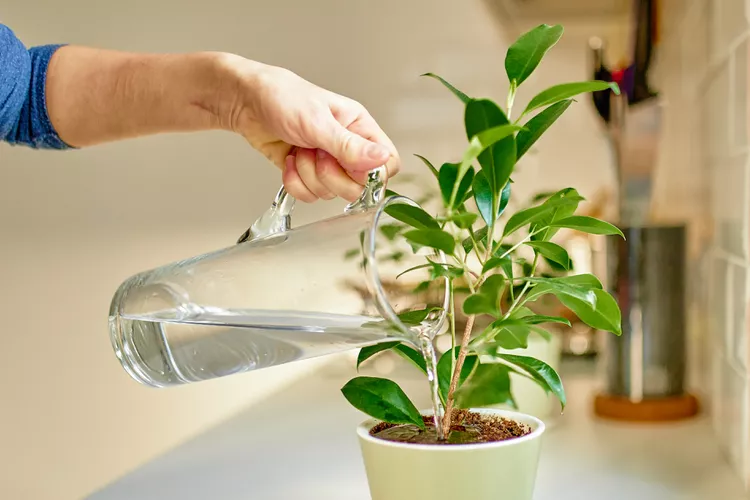
When growing peperomias in containers, make sure to plant them in well-drained soil. A quick way to kill peperomias is with too much water or too heavy soil.
Temperature and Humidity
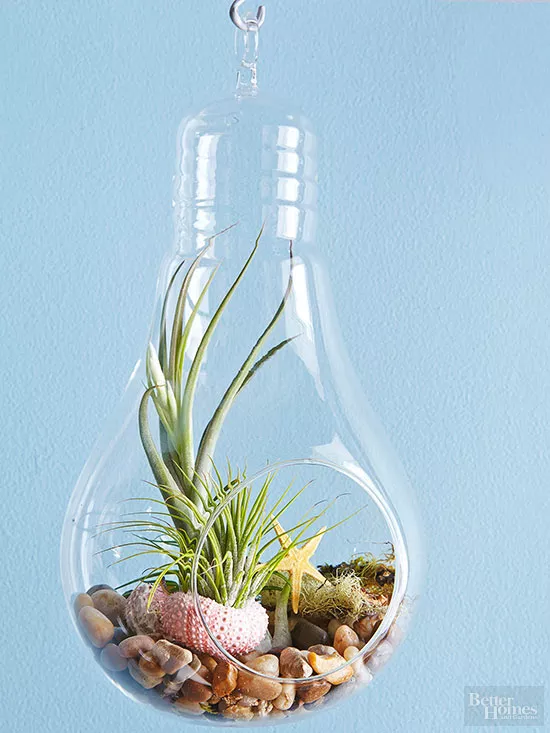
Hailing from areas like tropical cloud forests where humidity is generally over 90 percent, peperomias prefer areas with 40 to 50 percent humidity, such as terrariums. Likewise, it is easy to grow peperomia in your bathroom because of the high humidity levels. However, most peperomias perform almost as well in less-moist areas of your house. Because these plants are used to growing on rotting trees and other wood, they are also accustomed to relatively dry and erratic growing conditions. This is why many peperomias are succulent in nature.
The ideal temperature range for these plants is 60°F to 80°F, so if you are comfortable with the temperature in your home, the peperomias will likely be comfortable too.
Fertilizer
Peperomia plants aren't fussy, but they benefit from a general-purpose fertilizer designed for houseplants every couple of weeks in spring and summer. For the amount to use, follow product label instructions. Reduce the frequency to once a month during fall and winter.
Pruning
Peperomias will tolerate trimming, so feel free to cut them back if your plants become leggy. Those extra pieces that you remove can be propagated to create more plants.
Potting and Repotting
Peperomia plants have few roots, so they usually do best when grown in small containers. They are also fine being pot-bound, and caution should be taken when repotting. Be sure not to put them in too large a pot, or you'll risk the potential for rot.
Pests and Problems
Peperomias are not susceptible to many pests, but keep an eye out for mealybugs, whiteflies and spider mites that can enter the home on a newly purchased plant. Isolate the affected plant from any other plants and spray with neem oil or insecticidal soap.
How to Propagate Peperomias
To propagate by stem cuttings, cut a stem from the plant and remove the lower leaves, keeping one or two mature leaves at the top and at least one node on the stem to stick in the soil. You can then stick these cuttings directly in moist potting mix, and they will root in a few weeks. Many stemless types, such as the ripple peperomias, can be started by leaf cuttings similar to an African violet.
Types of Peperomia
Japanese Peperomia
Peperomia japonica has ½-inch-wide oval leaves with a rippled texture. Pinkish-red stems contrast nicely with the green leaves.
'Jayde' Peperomia
Peperomia polybotrya 'Jayde' has shiny teardrop-shaped leaves up to 4 inches in diameter. It grows up to 18 inches tall.
Ripple Peperomia
Peperomia caperata derives its name from its deeply crinkled, waxy leaves. 'Red Luna' has reddish leaves, and 'Metallica' has leaves marked with silvery gray. 'Emerald Ripple' is the standard green leaf variety.
Red-Edge Peperomia
Peperomia clusifolia 'Rainbow' has elongated succulent leaves marked with a broad band of cream and a central swath of green and gray-green. Stems and leaf edges are red. It is also sometimes called baby rubber plant.
Variegated Baby Rubber Plant
Peperomia obtusifolia 'Variegata' is more upright growing than most other peperomias, with large, rounded, waxy leaves splashed with green and gold variegation.
Teardrop Peperomia
Peperomia orba is a dwarf plant that stays about 6 inches tall. 'Pixie' and 'Princess Astrid' are a couple of the commonly available varieties.
Silverleaf Peperomia
Peperomia griseoargentea has metallic silvery green leaves with a rippled texture. The deep green leaf veins stand in strong contrast to the silvery wash on the upper leaf surface. It is a small plant, remaining about 6 inches tall.
Watermelon Peperomia
Peperomia argyreia gets its name from its distinctive silver and green striped foliage that resembles a watermelon. It grows only 6 to 8 inches tall. It is sometimes called watermelon begonia, although it is not related to begonias.
New