Scan the pesticide aisle of your local garden center, and you'll likely see several products containing neem oil. Unlike synthetic chemicals, they'll usually be labeled safe for organic gardening. Using neem oil for plants can be an environmentally friendly way to eliminate many garden pests on indoor and outdoor plants. However, like any pesticide, it can have harmful effects if used incorrectly. There are a few neem oil products, so it's important to know their differences to choose the best one for your needs.
Learn how to use neem oil on plants to get rid of pests in your garden safely and effectively.
What Is Neem Oil for Plants?
Derived from the neem tree, neem oil has been used for centuries to control pests, as well as in medicinal and beauty products. Some neem oil products for sale work on disease-causing fungi and insect pests, while other neem-based pesticides only control insects. Check the product label carefully to ensure you get an effective neem oil for plants for your specific pest problem.
How and When to Use Neem Oil for Plants
Neem oil for plants is labeled for use on all types of vegetation, from houseplants to flowering landscape plants to vegetables and herbs. Whether it can be used as a pesticide depends on how it's formulated for application.
Some neem oil products for plants are labeled "ready to use" and often comes in a spray bottle you can use to apply them. Other neem oil products are labeled "concentrate" and require some prep before being used on your plants. Concentrated products must be mixed with water and ordinary dish soap and poured into a spray bottle before application. Ready-to-use formulations are quick and easy to use; concentrated products are generally less expensive than their grab-and-go counterparts.
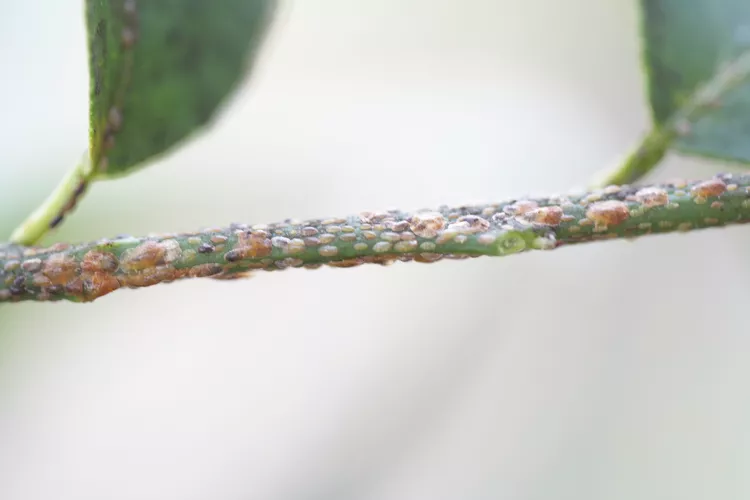
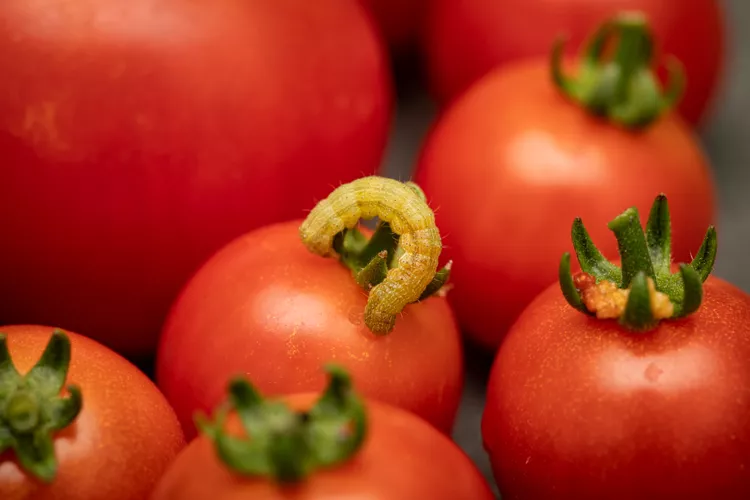
Identifying the insect, mite, or fungal disease you're battling is essential. Pesticides are labeled with specific pests they control. Neem oil is labeled for soft-bodied pests such as aphids, beetle larvae, caterpillars, leafhoppers, mealybugs, thrips, spider mites, and whiteflies.
Neem oil works by suffocating insects or disrupting how they feed. To effectively control pests, the pest must be present when the oil is sprayed on the plant.
Some neem oils for plants control fungal diseases such as powdery mildew and blackspot. Neem oil combats fungi by preventing new spores from germinating. It won't completely eliminate these diseases, but it can reduce their spread enough that your plants can continue growing.
You can use neem oil any time of year, whenever pest problems appear. It's beneficial in winter for controlling houseplant pests such as whiteflies. In summer, you can use neem oil on veggie and herb crops up to the day of harvest.
Wash Produce Sprayed with Neem Oil
Make sure to wash produce thoroughly before eating, either by running it under warm water, scrubbing hard-skinned fruits like squash with a scrub brush, or soaking bumpy veggies like cauliflower and broccoli in water for a few minutes to release any neem oil caught in the nooks and crannies.
It's not necessary to use soap when washing vegetables or fruit.
Steps for Applying Neem Oil
- Read the label of the neem oil for the plants you want to use. If it is a concentrate, follow the label directions exactly to mix the amount you will need.
- Starting from the top of your target plant, spray neem oil over all parts of the plant. Also, spray the undersides of leaves where pests can hide and lay eggs. Unlike many pesticides that continue working after application, neem oil has no effect after it dries (it's biodegradable, breaking down quickly into harmless components).
- Spray until the entire plant is wet and dripping with neem oil spray.
- In 3-4 days, check your plant for pests. If they're still present, reapply the neem oil product.
Neem oil doesn't discriminate between aphids and bees, butterfly larvae, or other good guys. Avoid harming beneficial insects and water habitats by applying the spray carefully and following all label directions for application.
Tips for Applying Neem Oil
- If using a concentrate, mix your neem oil spray the day you intend to use it. Over time, the ingredients can separate and become less easy to use. It's also a good idea to rinse out your sprayer immediately after you're done spraying, then mix a fresh batch the next time you want to apply neem oil.
- Before using neem oil for plants that need treatment for the first time, testing the product on a single leaf is always a good idea. Check for signs of stress after a day has passed.
- It's generally best to avoid using neem oil on young plants or transplants because it can burn tender new growth.
- Aim to apply neem oil in the early morning or late evening. Beneficial insects are usually less active at these times, making them less likely to come in contact with and be harmed by the pesticide. Applying neem oil early in the day or later in the evening also helps prevent leaf damage; midday high heat and bright sunlight can cause neem oil to burn leaf tissue.
- Neem oil takes time to work. It might be two days or more before you see a reduction in damage or fewer live insects. You may need to reapply your neem product every three or four days to eliminate your target pests completely.
New