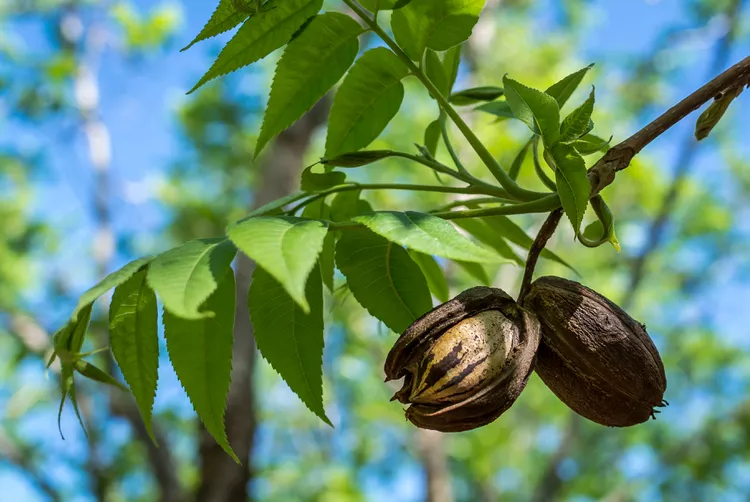
The pecan is one of America’s favorite nuts and the official state tree of Texas. The tree is native to the Southern U.S. and the nuts were long foraged by Indigenous peoples prior to European colonization of North America. In fact, the intentional planting of pecan trees has only been happening for less than 200 years.
Growing pecans is a long-term endeavor, requiring the right climate and some patience due to their susceptibility to disease and slow growth, respectively. For these reasons, it's best to think of pecans as shade trees in the landscape with the eventual added benefit of harvestable nuts. You will also need to grow these stately trees in groups for proper pollination and more reliable yields.
Pecans are closely related to walnuts so their nuts have a similar buttery flavor. Unlike walnuts, however, their thin shells make cracking pecans open to reach the rich nuts inside much easier.
Pecan Tree Overview
| Genus Name | Carya illinoinensis |
| Common Name | Pecan Tree |
| Plant Type | Tree |
| Light | Sun |
| Height | null to 100 Feet |
| Width | null to 80 Feet |
| Foliage Color | Blue/Green |
| Season Features | Colorful Fall Foliage |
| Zones | 5, 6, 7, 8, 9 |
| Propagation | Grafting, Seed |
Where to Plant Pecan Trees
Pecan trees are slow-growing, but they'll eventually reach a height of around 100 feet so they require a great deal of space to be grown successfully. From seed, pecans produce a large taproot and are exceptionally difficult to move once planted.
How and When to Plant Pecan Trees
Seeds can be sown in the fall, but will take many years to attain height and produce their first crop. For best growth and to ensure proper cross-pollination, purchase reciprocal grafted cultivars to plant nearby. Planting your trees can be done at any time of year in warmer climates, but the best time to plant is in late winter to early spring, prior to leaves appearing.
Care Tips for Pecan Trees
Light
While pecans can handle some shade, they will grow best in full sun (8+ hours per day). Avoid planting large-growing trees in close proximity to provide ample space for canopy growth and root expansion.
Soil and Water
Pecans prefer deep, loamy, and rich soils with good drainage. Keep soil moist during drier periods, especially while trees are young.
Temperature and Humidity
Pecans prefer climates with warm, humid summers and cool winters. Long summers are necessary for good nut production.
Fertilizer
Fertilizers can be beneficial for younger trees, but usually aren't necessary for mature pecans. Tree fertilizer stakes can be set around the canopy drip line in early spring.
Pruning
Young pecan trees don't usually need pruning because they'll naturally develop a full canopy as they grow. On grafted trees, remove watersprouts and any other growth from under the graft union to keep the grafted part of the tree strong. As trees begin to gain height, lower branches can be pruned if you want to raise the height of the canopy.
Pests and Problems
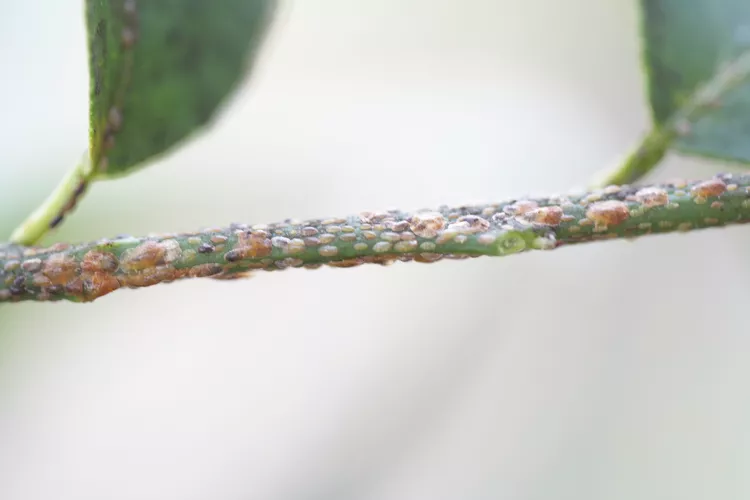
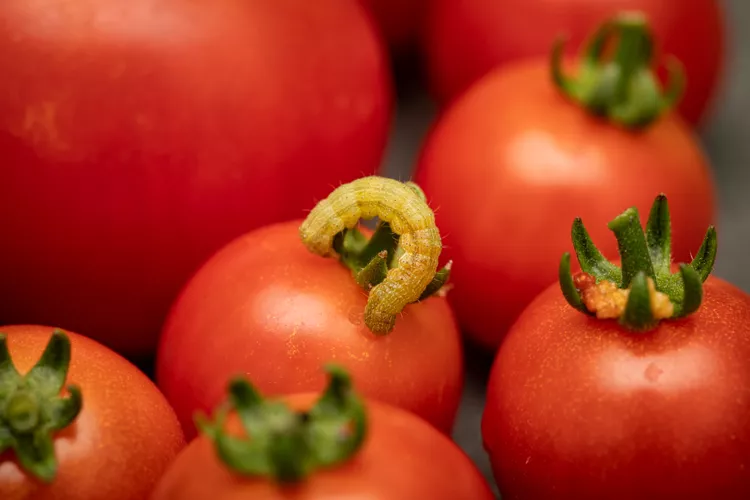
Pecans are prone to developing scab, aphids, and webworms (a type of caterpillar), but these pests are rarely fatal. Scab-resistant cultivars are available and should be chosen in regions with higher humidity where scab, a type of fungus, spreads easily.
How to Propagate Pecan Trees
Pecan nuts (seeds) can be planted in the fall for winter stratification and spring growth, but genetic variation among seedlings and slow growth can be restrictive. Propagation of known cultivars grafted onto select rootstocks is the best way to avoid issues with cross-pollination and ensure resistance to disease.
How to Harvest Pecans
Harvesting pecan nuts is exceptionally easy and amounts to just waiting until the nuts begin to drop from the tree. Because pecan trees become very large over time, shaking the tree and branches is not feasible for most homeowners.
After pecans have begun to fall, harvest daily to avoid predation by wildlife and inspect all fallen nuts for signs of insect damage like holes or cracks in the shells. Newly dropped pecans will look brighter and cleaner than older, duller nuts from previous seasons that might still be on the soil surface.
Once harvested, allow nuts to "cure" in a dry location for a week to ten days prior to storing. This process will eliminate excess moisture that can lead to spoiling during storage.
Companion Plants for Pecan Trees
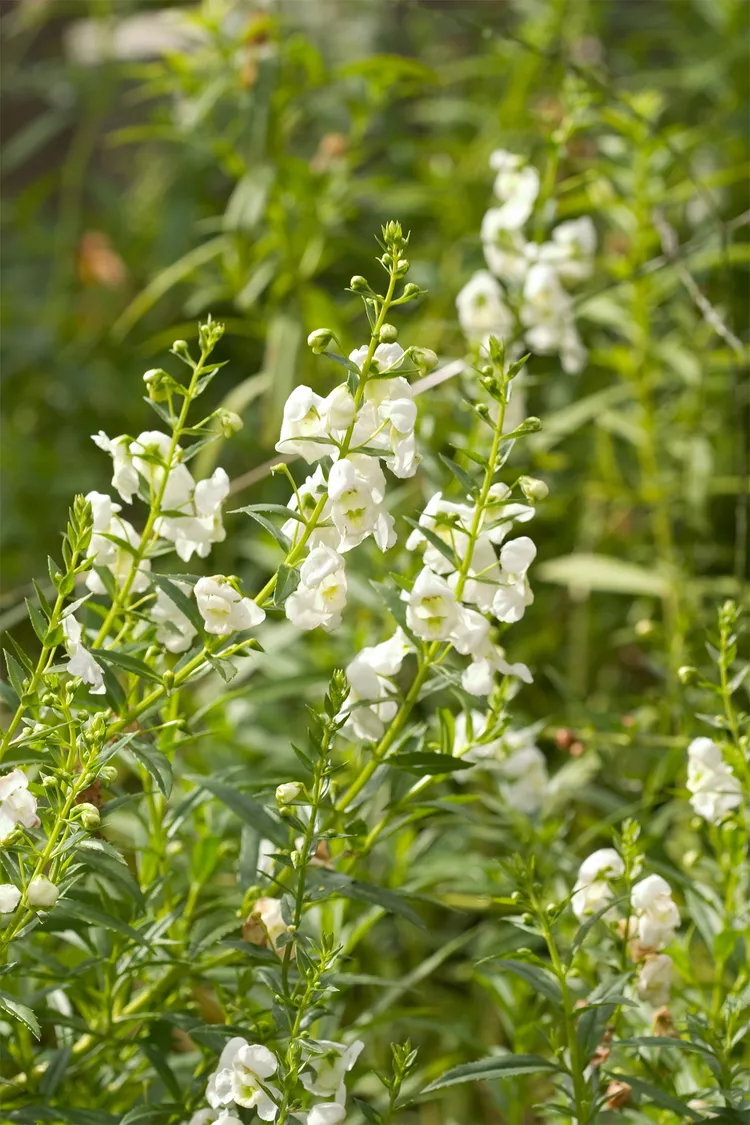
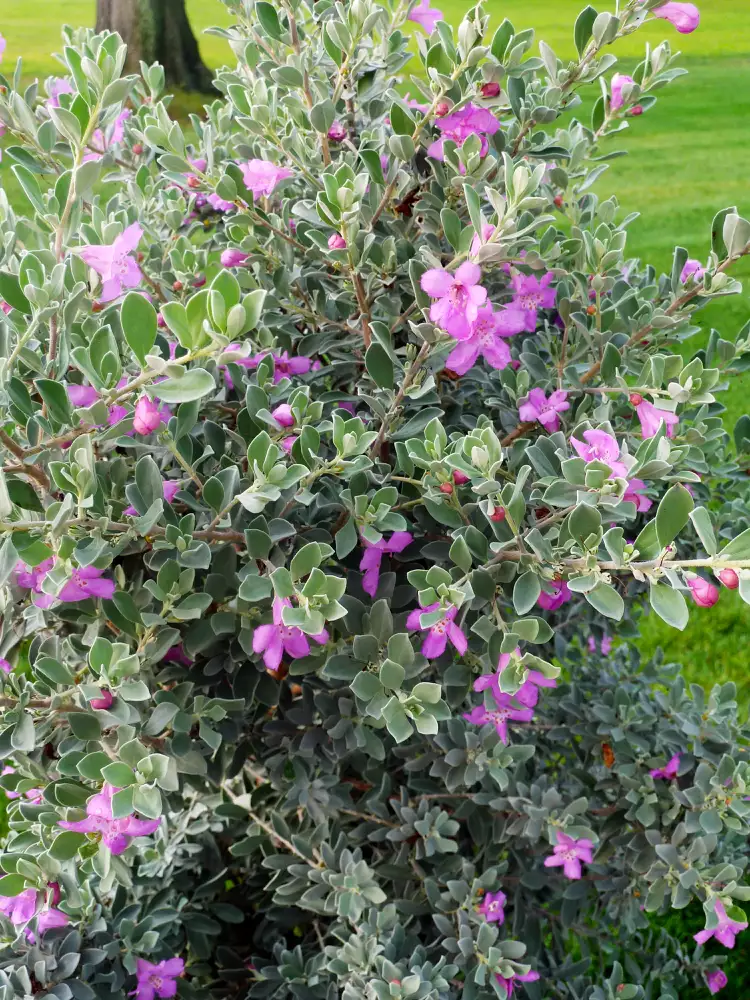
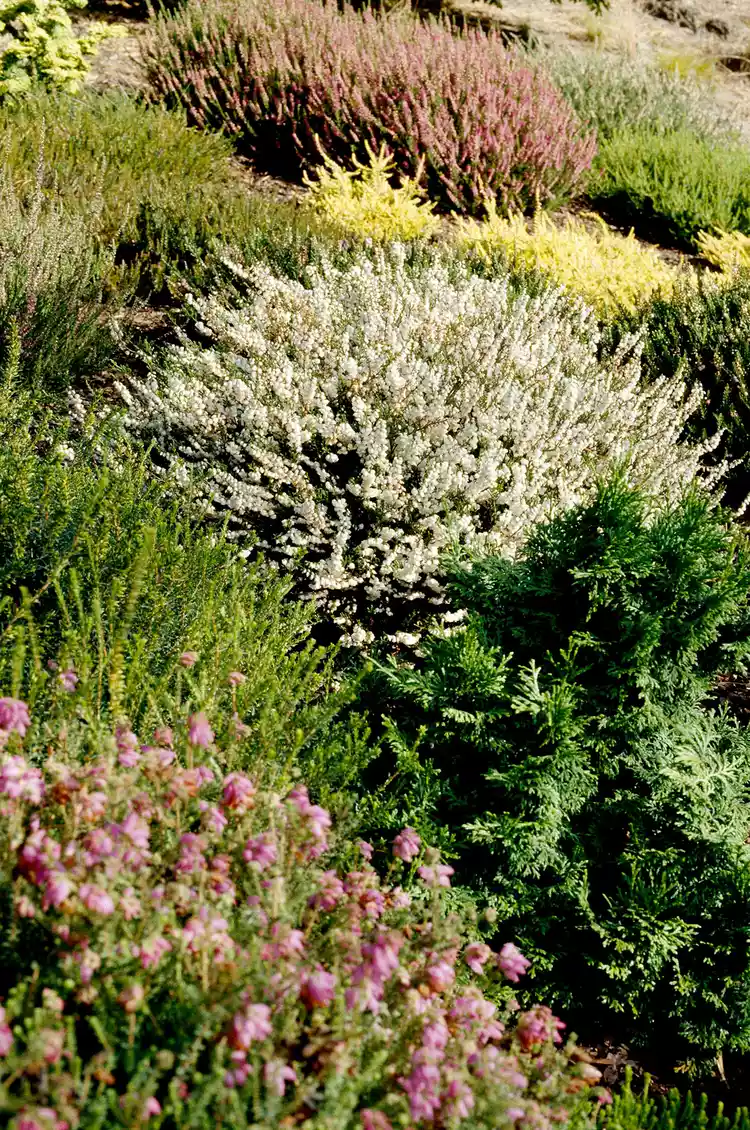
Like other members of the Juglandaceae family (including walnuts, hickory, and butternuts), pecans produce a chemical known as juglone that can hinder the growth of plants under the trees’ canopies. Sedges, grasses, coral bells (Heuchera spp.), and other smaller perennials with fibrous root systems can be planted under the canopy of pecans. Larger shrubs and small trees (even those resistant to juglone) should not be planted adjacent to young pecans to avoid root competition.
New